A small detail can make a big difference in how well your roof protects your home. While shingles often get the most attention, the metal flashing along a roof’s edges plays an equally important role in managing rainwater and preventing damage. This essential component is called a drip edge.
If you have ever wondered what a roof drip edge is, understanding its purpose can help you make better decisions about roofing maintenance, repairs, and replacement. A properly installed drip edge directs water away from vulnerable roof edges, protects the fascia, and helps reduce the risk of moisture-related problems. At Allied Roofing, we believe that understanding these important roofing details helps homeowners protect their investment and maintain a durable roof.
What Is a Drip Edge on a Roof?
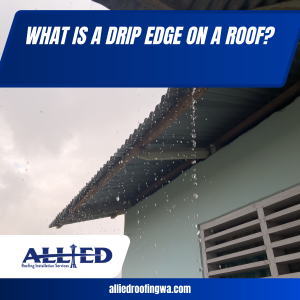
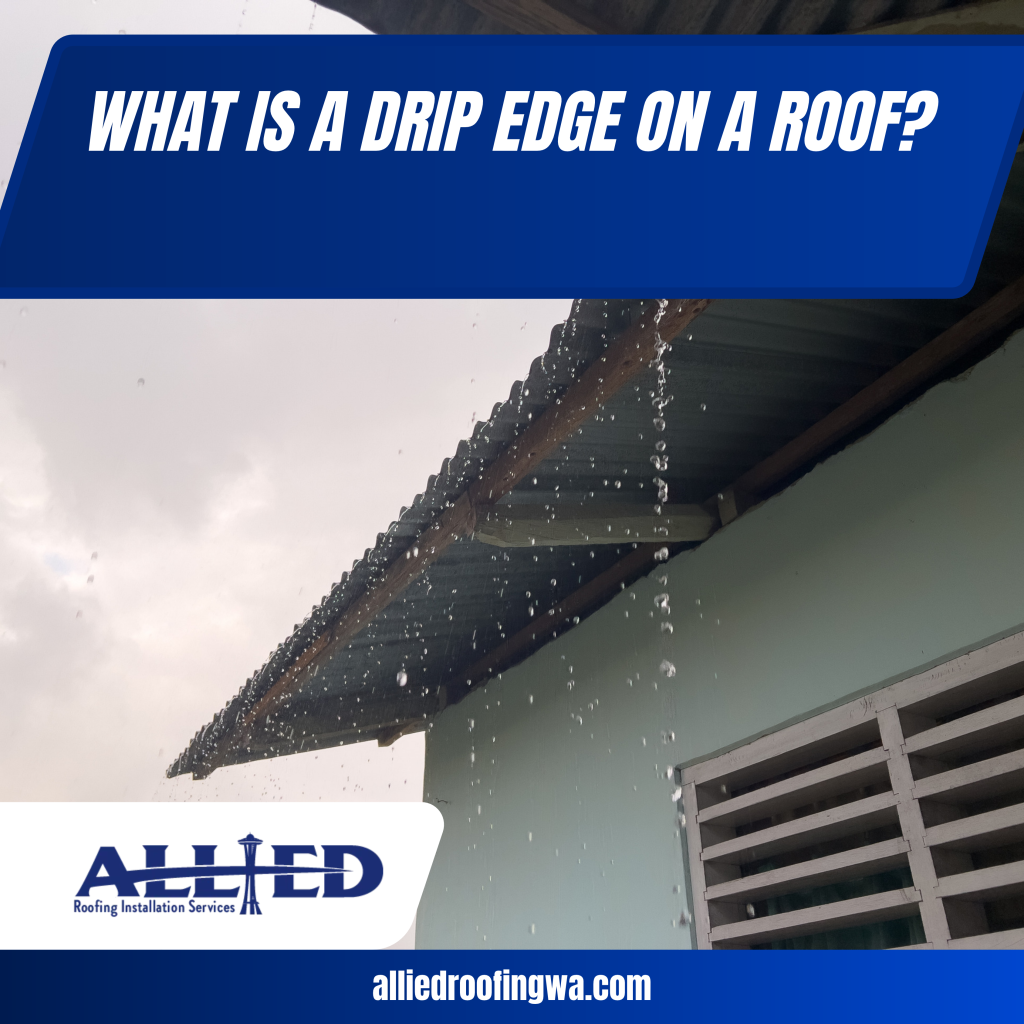
A drip edge is a specially shaped metal flashing installed along a roof’s edges. It usually sits beneath the roofing shingles and extends slightly beyond the roof deck to guide rainwater away from the structure. Its angled design lets water drip off the underlying wood rather than running back under the roofing materials.
Although a drip edge may appear simple, it serves several important purposes. It helps protect the roof deck, reduces moisture exposure around the fascia, and supports proper water drainage into the gutter system. It can also help prevent wind-driven rain from reaching vulnerable areas beneath the shingles.
Without this protective component, water may collect around the roof edges, potentially contributing to staining, wood deterioration, and costly repairs over time. Allied Roofing recognizes that even small roofing components can make a meaningful difference in a roof’s long-term performance.
Why Your Roof Needs Drip Edges
Rainwater does not always flow neatly into gutters. Depending on the roof’s slope, wind conditions, and shingle design, water can travel along the underside of roofing materials or collect near exposed wooden edges. A drip edge helps control that movement.
One of its primary benefits is moisture protection. When water repeatedly reaches the fascia or roof deck, it can gradually cause deterioration, peeling paint, and other signs of water damage. In severe cases, persistent moisture can contribute to wood rot and create conditions that encourage mold growth.
Drip edges also direct water toward the gutter instead of letting it run behind the gutter or down the exterior walls. This can reduce staining and protect siding, trim, and nearby landscaping.
Another advantage is improved roof appearance. A neat metal edge creates a cleaner transition between the shingles and the home’s exterior. When installed correctly, this detail supports both the function and appearance of your roofing system.
For homeowners planning roof repairs or replacement, Allied Roofing recommends focusing on these finishing details, not just the visible shingles.
Common Types of Drip Edge for Roofing
Different roof designs may require different drip edge profiles. The right type depends on the roof’s layout, roofing materials, drainage arrangement, and installation requirements.
Three common types include:
- Type C: Also called an L-style or basic drip edge, this design uses a simple angled profile to direct water away from the roof edge.
- Type D: Often called a T-style drip edge, this profile includes a projecting lower edge that helps direct water away from the underlying structure. Specific designs vary by manufacturer.
- Type F: Sometimes called a gutter apron or extended drip edge, this profile has a longer flange that can be useful in certain roof and gutter configurations.
Each type is designed to manage water differently. The most suitable option depends on the existing roof assembly and the details of the eaves and rakes.
Allied Roofing can help homeowners understand which profile fits their roofing project and why choosing the right flashing matters for long-term protection.
Eave Drip Edge vs. Rake Edge
Roof edges are generally divided into two main areas: the eaves and the rakes. Although both may use drip edge flashing, their positions and installation details differ.
The eaves are the lower horizontal edges of the roof where rainwater naturally flows downward. A drip edge installed along these sections helps guide water into the gutter while protecting the roof deck and fascia. In many roofing systems, installers install eave flashing before the underlayment so water drains correctly over the edge.
The rakes are the sloping edges along the sides of a roof, typically found on gable roofs. A rake edge helps protect the sloped roof perimeter from wind-driven rain and moisture that could enter around exposed roofing materials.
Flashing and underlayment placement can differ between eaves and rakes. Correct layering is essential because incorrectly positioned materials may allow water to move beneath the roof covering.
When inspecting your roof, check both horizontal and sloping edges. Allied Roofing understands that complete edge protection involves more than covering just the sections where gutters are installed.
Choosing the Right Drip Edge Material
Drip edge flashing is commonly manufactured from metal materials selected for durability and resistance to weather exposure. Aluminum and galvanized steel are popular choices, while copper may be used on certain premium roofing projects.
Aluminum is lightweight and naturally rust-resistant, making it a practical option for many residential roofs. However, its strength and resistance to physical damage can vary with thickness and design.
Galvanized steel offers greater rigidity in many applications. Its protective coating helps resist corrosion, although damaged coatings or prolonged exposure to moisture and corrosive conditions can eventually lead to deterioration.
Copper is durable and develops a distinctive appearance over time, but it generally costs more than standard metal options.
When selecting an edge material, homeowners should consider the local climate, roof design, existing gutters, budget, and compatibility with other metals. Combining incompatible materials can increase corrosion risk in certain conditions.
Color is another consideration. A drip edge that complements the shingles, fascia, or gutters can create a more coordinated appearance without sacrificing performance. Allied Roofing encourages homeowners to consider both durability and compatibility when evaluating roofing materials.
How Drip Edge Installation Works
Proper edge installation requires careful planning because the flashing must work together with the roof deck, underlayment, shingles, and gutter system. Simply attaching a strip of metal along the perimeter is not enough to ensure effective drainage.
During a typical installation, the roofing professional first examines the roof edges for damaged wood, deteriorated fascia, and existing moisture problems. Any necessary repairs should be addressed before the new flashing is installed.
The drip edge is then positioned according to the roofing system’s requirements. At the eaves, the flashing is commonly installed over the roof deck and beneath the underlayment. At the rakes, it is generally installed over the underlayment. Manufacturer instructions and applicable local building codes determine the appropriate details.
The metal sections must overlap correctly to help prevent water from entering through joints. Fasteners should be appropriately spaced and placed, while the shingles must cover the upper portion of the flashing as intended.
The finished work should direct water away from exposed wood and toward the intended drainage path. Poorly fitted flashing, gaps, incorrect overlaps, or improperly placed shingles can undermine the entire system.
Allied Roofing understands the importance of careful workmanship during roofing projects, including the smaller details that help prevent future leaks and unnecessary repair costs.
Signs Your Roof Drip Edge Needs Attention
Drip edge flashing is designed to last, but it can still become damaged, loosened, or corroded over time. Severe weather, aging roofing materials, poor installation, and neglected maintenance may all affect its performance.
Homeowners should watch for visible gaps along the roof perimeter, bent metal sections, loose flashing, or areas where the metal has pulled away from the roof. Rust spots or corrosion may also indicate that the material is deteriorating.
Other warning signs include peeling paint on the fascia, water stains near the roof edges, damp areas around the eaves, and water running behind the gutters. These symptoms do not automatically mean the drip edge is responsible, since clogged gutters, damaged shingles, and other drainage problems can cause similar issues.
If you notice a roof leak or repeated moisture problems, a professional inspection can help identify the underlying cause before the damage spreads. Avoid climbing onto the roof yourself, especially when the surface is wet or damaged.
Allied Roofing can help homeowners assess roofing concerns and determine whether flashing repairs, replacement, or other corrective work may be appropriate.
Drip Edge Cost and Maintenance Considerations
The cost of installing a drip edge depends on several factors, including the roof’s perimeter length, material selection, accessibility, labor requirements, and whether existing roofing materials need to be removed.
Installing new flashing during a complete roof replacement is often more straightforward than retrofitting it onto an existing roof. A retrofit may require lifting shingles, adjusting underlayment, or replacing damaged sections of the roof deck, which can increase labor costs.
The chosen material also affects the overall price. Standard aluminum and galvanized steel options are generally more economical than copper, while custom profiles and complicated roof layouts may require additional work.
Regular roof inspections can help identify problems before they become expensive. Keep gutters clear, check for visible flashing damage from the ground, and address signs of moisture promptly. If your roof is aging or you are planning a replacement, ask your roofing contractor whether the existing drip edge is correctly installed and in suitable condition.
Allied Roofing believes that informed maintenance decisions help homeowners balance upfront costs with the long-term value of a well-protected roof.
Contact Us
A drip edge may be a small component, but its role in protecting roof edges, managing rainwater, and reducing moisture exposure is significant. Choosing the right material, selecting an appropriate profile, and ensuring proper installation can help your roofing system perform as intended for years to come.
If you are considering roof replacement, noticing water damage around your eaves, or unsure whether your current flashing is doing its job, professional guidance can help you identify the next steps.
Small details create lasting protection. Contact Allied Roofing to discuss your roofing concerns, explore suitable solutions, and learn how proper roofing installation and maintenance can help protect your home from the elements.