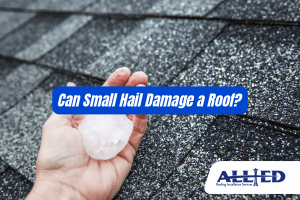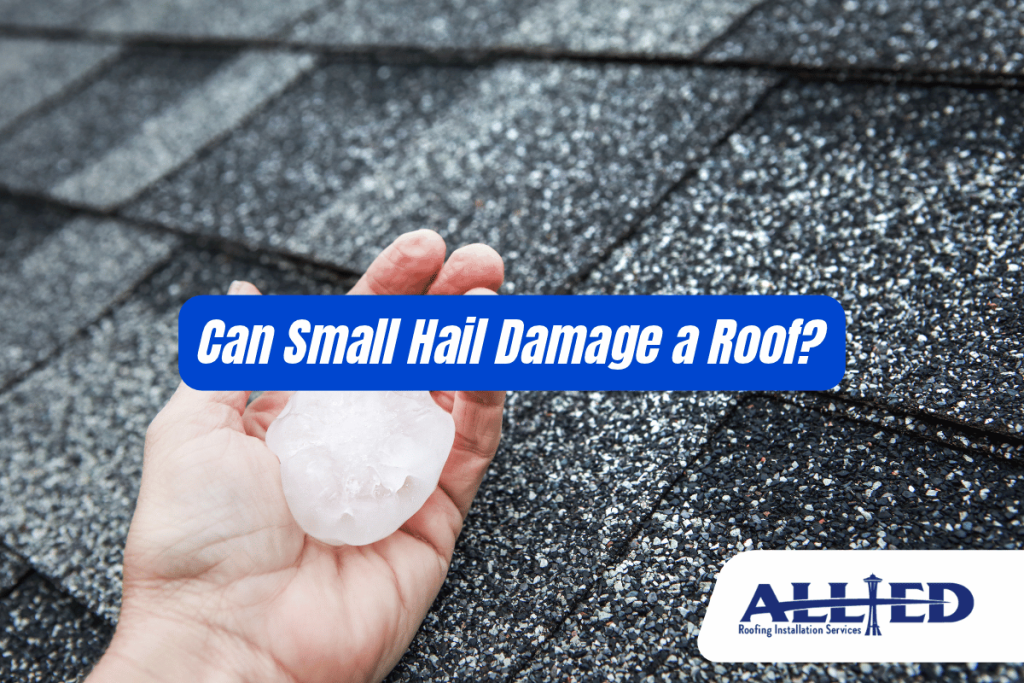
After a hailstorm, your roof might look perfectly fine from the ground. But can small hail damage a roof? Yes. Even smaller hailstones can loosen protective granules, weaken aging shingles, and contribute to damage that becomes more noticeable over time. Not every hailstorm causes serious roofing problems, but overlooking early warning signs can leave your home vulnerable to future storms.
Understanding how hail affects different roofing materials helps you decide whether your roof needs a closer inspection, minor repairs, or no immediate work.
What Homeowners Should Know About Small Hail
- Small hail can affect older or weathered shingles, even without visible cracks.
- Hailstones around 1 inch in diameter pose a greater risk of significant damage.
- Missing granules do not automatically mean your roof needs replacement.
- Repeated small hailstorms can gradually weaken asphalt shingles.
- Gutters, flashing, and roof vents may show impact marks before shingles do.
- A professional roof inspection can distinguish functional damage from ordinary wear.
How Small Is Too Small to Damage a Roof?
There is no single hailstone size that guarantees roof damage. The outcome depends on hail density, wind speed, roof age, shingle condition, and the angle of impact.
The National Weather Service’s hail size guide compares hailstones with familiar objects to help homeowners understand their size.
| Hail Size | Approximate Diameter | Potential Roof Impact |
|---|---|---|
| Pea-sized | 0.25 inch | Usually minor impact, but aging shingles may lose granules |
| Dime-sized | 0.70 inch | May loosen granules on vulnerable roofing |
| Quarter-sized | 1 inch | Greater potential for shingle bruising and functional damage |
Quarter-sized hail meets the National Weather Service’s severe hail threshold. However, that classification is a weather reporting standard, not a guarantee that smaller hail cannot affect your roof.
A newer, well-maintained roof may withstand a storm that causes noticeable deterioration on an older roofing system.
Can Small Hail Damage a Roof Without a Leak?
Yes. Small hail can weaken roofing materials without immediately creating an opening for water. Damage may remain unnoticed until repeated storms or continued weather exposure make the affected areas more vulnerable.
Asphalt shingles rely on protective granules to shield the underlying asphalt from sunlight and weathering. When hail dislodges these granules, exposed areas may deteriorate faster.
According to InterNACHI’s roofing inspection guidance, older shingles are generally more vulnerable to granule displacement because the asphalt holding those granules becomes less effective with age.
However, losing a few granules does not necessarily indicate functional damage. Some granule shedding is normal, particularly on recently installed shingles.
Did You Know? Repeated small hailstorms can gradually reduce a roof’s resistance to larger hail, even when individual storms leave little visible damage.
Signs of Small Hail Damage You Can Check Safely
You do not need to climb onto your roof to identify possible storm damage. Start with a ground-level inspection and check accessible areas around your home.
1. Missing Shingle Granules
Look for unusual concentrations of dark, sand-like particles near downspouts or inside accessible gutters.
A small amount of granule loss is normal. However, excessive shedding following a storm deserves attention, especially on an older roof.
2. Dark Spots or Shingle Bruising
Hail impacts may leave irregular dark spots where protective granules have been displaced.
A professional roofer can examine whether the impact also affected the shingle’s reinforcing material. Surface marks alone do not always mean the roof has lost its ability to shed water.
3. Dented Gutters and Roof Accessories
Metal gutters, downspouts, roof vents, and flashing sometimes reveal hail impacts more clearly than shingles.
Fresh dents can help identify areas that experienced direct impacts, although they do not prove the shingles were damaged.
4. Cracked or Lifted Roofing Materials
Look for visible cracks, missing shingles, or lifted edges from the ground.
Wind often accompanies hailstorms, so both impact damage and wind damage should be considered.
5. Changes Inside Your Home
Check your attic and upper ceilings for moisture, discoloration, or new water stains after heavy rainfall.
An interior leak does not automatically establish hail damage, but it does indicate a roofing issue that needs attention.
Why Repeated Small Hailstorms Matter
One brief hailstorm may leave your roof functioning normally. Repeated exposure is a different concern.
Research from the Insurance Institute for Business & Home Safety found that frequent small hail can contribute to cumulative shingle damage and accelerated aging.
In controlled testing, naturally weathered shingles exposed to two simulated smaller-hail events became up to ten times more susceptible to damage from later large hail impacts than new shingles.
This does not mean every roof exposed to small hail will fail. It shows why previous weather exposure and roof condition matter when evaluating storm damage.
A roof that has already experienced years of sun, rain, wind, and hail may require closer attention than a newly installed system.
Does Small Hail Affect Every Roofing Material Differently?
Yes. Each roofing material responds differently to hail impacts.
- Asphalt shingles may experience granule displacement, bruising, or reinforcement damage.
- Metal roofing may develop dents, while more serious impacts can affect seams, coatings, or other vulnerable components.
- Tile roofing may experience cracks or fractures when impacts exceed the material’s resistance.
- Flat roofing membranes require attention around seams, penetrations, and any areas showing punctures or surface deterioration.
A roof’s material, installation quality, maintenance history, and existing condition all influence the outcome.
Homeowners sometimes ask, can small hail damage a roof that was installed recently? It is possible, but a newer roof in good condition may tolerate impacts better than one with significant weathering.
What Should You Do After a Small Hailstorm?
The safest approach is to document the storm and check for warning signs before making repair decisions.
- Wait until the storm has passed and conditions are safe.
- Photograph visible damage to gutters, roofing accessories, and exterior surfaces.
- Check accessible gutters and downspouts for unusual granule accumulation.
- Look for moisture or water stains inside the attic and upper rooms.
- Arrange a professional inspection if you notice damage, leaks, or concerning changes.
Avoid climbing onto a wet or potentially damaged roof. Walking across compromised shingles may cause additional deterioration.
Practical Tip: Take photographs soon after the storm and keep a record of the date. Clear documentation makes it easier to compare existing wear with possible new damage.
Should You Repair the Roof or File an Insurance Claim?
Not every hail impact requires a roof replacement or insurance claim.
A few affected shingles may be repairable when the surrounding roof remains in good condition. Widespread functional damage, significant aging, or multiple roofing problems may make replacement more practical.
Before filing a claim, review your deductible and coverage. The National Association of Insurance Commissioners recommends photographing damage, understanding policy terms, and considering repair costs before proceeding.
Insurance coverage depends on the policy and the documented cause and extent of the damage.
Protecting Your Roof With Experienced Local Roofers
When storm damage is difficult to identify, working with an experienced roofing contractor helps you understand your options.
Allied Roofing Installation Services provides residential and commercial roof repair and replacement services throughout Federal Way and the surrounding Puget Sound area. The locally owned company works with asphalt shingles, metal roofing, and other roofing systems.
Whether your roof has missing shingles, storm-related leaks, or signs of deterioration, the team can assess the roofing concerns and help determine whether targeted repairs or more extensive work is appropriate.
Why Choose Allied Roofing Installation Services?
- Founder Eliseo Carrillo Martinez has more than 25 years of roofing industry experience.
- Locally owned and operated in the Federal Way area.
- Licensed and insured under Washington L&I, contractor license ALLIERI810PP.
- Experienced in residential and commercial roof repair and replacement.
- Works with asphalt shingles and metal roofing, with experience involving manufacturers including GAF, CertainTeed, and IKO.
- The company website displays an excellent rating based on 93 customer reviews.
Get Professional Roof Repair Help in Federal Way, WA
Small hail damage should not be ignored, but it should not automatically lead to unnecessary replacement work either.
Allied Roofing Installation Services helps homeowners and businesses in Federal Way, Seattle, Tacoma, Bellevue, Kirkland, Renton, Auburn, and surrounding King, Pierce, and Snohomish County communities address roofing problems.
If your property recently experienced hail or you have noticed warning signs, contact our roofing team to discuss your concerns and schedule an assessment.
Frequently Asked Questions About Small Hail Damage
Can Pea-Sized Hail Damage Asphalt Shingles?
Yes, pea-sized hail can contribute to granule loss on vulnerable shingles, although significant functional damage from a single event is less common. Roof age and condition matter more than hail size alone.
Can Small Hail Damage a Roof With Impact-Resistant Shingles?
Yes, impact-resistant shingles can still sustain damage under certain conditions. Their resistance depends on the product, impact severity, installation, and existing wear.
How Long Does Hail Damage Take to Become Visible?
Some damage appears immediately, while the consequences of weakened roofing materials may develop gradually. Continued exposure to sunlight, rain, and future storms can make existing problems more noticeable.
Will Small Hail Damage Automatically Void My Roof Warranty?
No, a hailstorm does not automatically void an entire roof warranty. However, storm damage is commonly excluded from manufacturer defect coverage, so review the specific warranty terms.
Can a Roof Survive Several Hailstorms Without Replacement?
Yes, a properly functioning roof may withstand multiple hailstorms without requiring replacement. Its remaining service life depends on actual damage, maintenance, material quality, and overall condition.