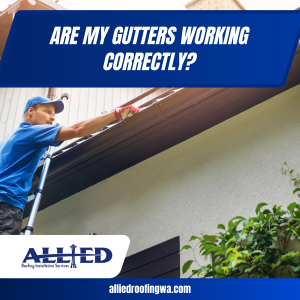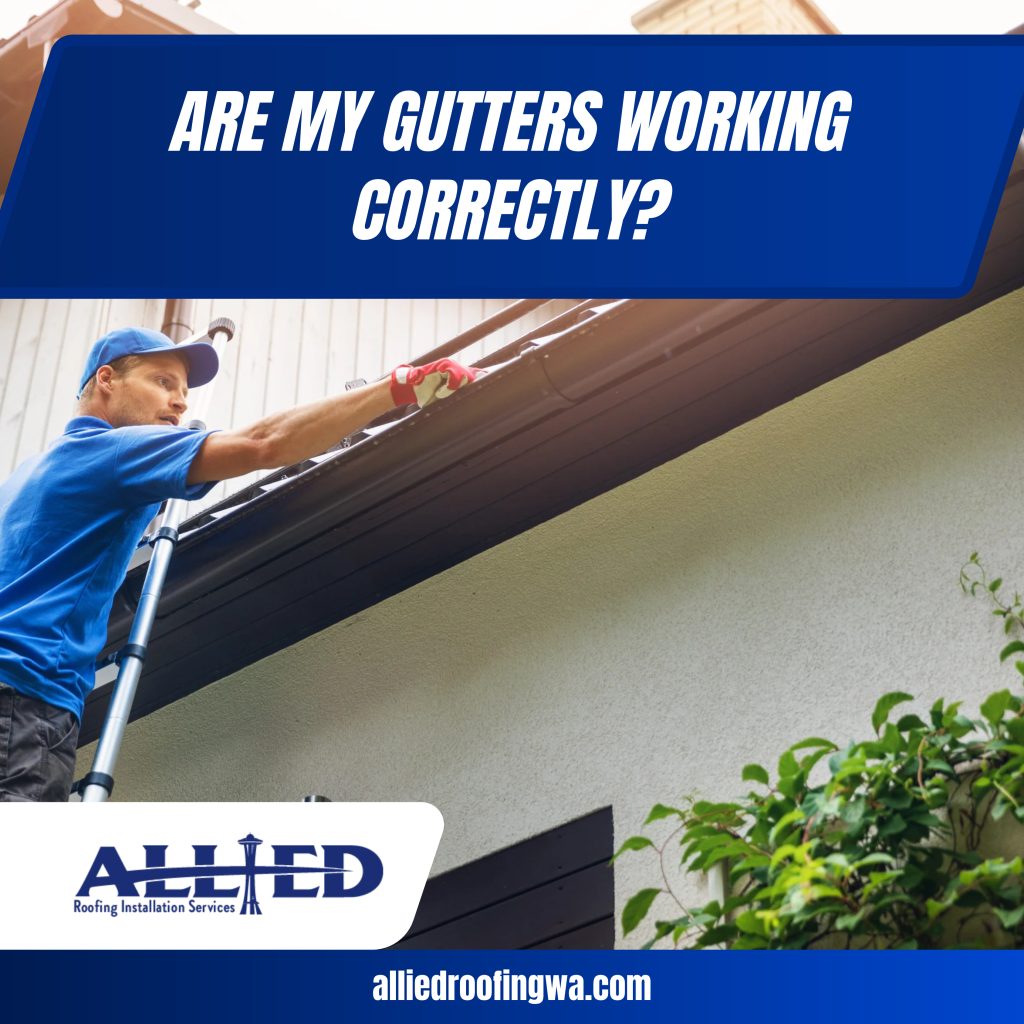
A healthy gutter system does its most important work quietly, moving rainwater away from your home before it can cause trouble. But when gutters become clogged, damaged, or misaligned, that simple job can quickly become a source of costly issues. If you have ever wondered whether your gutters are working correctly, knowing what to look for can help you spot problems before they affect your roof, siding, or foundation.
Gutters are an important part of your home’s exterior drainage system. They collect water from the roof and guide it toward the appropriate drainage areas through gutters and downspouts. Allied Roofing helps homeowners understand the condition of their roofing and gutter systems so they can address concerns in time.
Are My Gutters Working Correctly?
The easiest way to determine whether your gutters are working properly is to observe them during or shortly after rainfall. Water should move smoothly through the gutter channels and exit through the downspouts without overflowing or collecting in unwanted areas.
A properly functioning system should keep rainwater away from vulnerable parts of the property. If water spills over the edges, remains inside the gutter, or drains too close to the foundation, something may need attention.
The gutter’s condition also matters. Gutters should remain securely attached to the home, maintain the appropriate slope, and have clear paths for water flow. Small problems can become bigger gutter issues when ignored.
Allied Roofing can help homeowners assess visible gutter concerns and determine whether maintenance, repairs, or other solutions are appropriate.
Gutters Should Move Water Properly
A gutter’s primary purpose is to control roof water flow. During heavy rainfall, the system may handle a significant amount of water in a short period. If the channels or downspouts cannot move that water efficiently, overflow can occur.
Water that spills over the front of the gutter can run down siding, exterior walls, windows, or landscaping. Repeated exposure can contribute to staining, deterioration, and moisture-related damage.
The drainage path should also carry water far enough away from the foundation. Simply moving water off the roof is not enough if it collects around the base of the home.
A well-maintained gutter system provides an important layer of protection for both the roofing structure and the surrounding property. Allied Roofing understands how proper drainage supports a home’s overall condition.
Gutter Maintenance Helps Prevent Issues
Regular gutter maintenance is one of the simplest ways to keep the system functioning. Leaves, twigs, dirt, pine needles, and other debris can gradually accumulate inside the channels and interfere with drainage.
Clogged gutters may appear harmless when the weather is dry, but the problem can become obvious during the next major storm. When debris blocks the normal route, rainwater has nowhere to go and may overflow.
Cleaning should also include checking the gutters and downspouts. A clear gutter cannot drain properly if the downspout is blocked farther down the system.
Homeowners should inspect their gutters periodically, especially after storms or during seasons when trees shed heavily. Allied Roofing can help identify maintenance concerns that may otherwise go unnoticed.
Warning Signs of Faulty Gutters
Some gutter problems are easy to see, while others develop gradually. Knowing the warning signs can help homeowners act before a minor issue becomes significant damage.
Watch for changes in the appearance or performance of your gutter system. For example, gutters that pull away from the roofline may indicate loose fasteners or excessive weight from accumulated debris and water.
Other problems may be more noticeable when it rains. Persistent overflow, unusual dripping, or water collecting beneath the gutter can indicate the system isn’t performing as intended.
Common warning signs include:
- Gutters overflowing during normal rainfall
- Water pooling around the foundation
- Gutters pulling away from the home
- Visible rust, cracks, holes, or separation
- Sagging sections along the gutter line
- Downspouts that release little or no water
- Water stains on siding or exterior walls
- Recurring debris buildup and clogged sections
If you notice several of these signs, it is worth having the system inspected. Allied Roofing can assess visible gutter issues and help determine what may be causing the problem.
How Clogged Gutters Affect Your Home
Clogged gutters are among the most common reasons a drainage system stops working properly. When leaves and debris block the flow, rainwater can back up in the gutter and eventually overflow.
The resulting water may run along the roof edge or down the house’s exterior. Over time, repeated moisture exposure can affect siding, trim, fascia, landscaping, and other areas.
Clogged gutters can also add weight to the gutter itself. Standing water and wet debris can make sections sag or pull away from the structure.
Another concern is the foundation. If water repeatedly drains next to the foundation rather than being directed away, the surrounding soil can become saturated. Depending on the property and conditions, this may contribute to moisture-related structural issues.
Keeping the system clear is more than about appearance. It also helps protect the home from unnecessary water damage.
Gutter Drainage and Your Roofing System
Your gutters and roof work together as part of the home’s overall water management system. Roofing materials direct rainwater toward the edges, while gutters collect and redirect it away from the structure.
When gutter drainage is poor, water can remain where it should not. Overflow near the roof edge may affect fascia and other components, while inadequate drainage below can create problems around the foundation.
Roofing inspections can also reveal gutter-related concerns. For example, damaged gutter sections or improper drainage may be contributing to moisture around the roofline.
Allied Roofing can help homeowners look at the relationship between the roof and gutter system rather than treating each component as completely separate. Proper water management helps support the condition of the home’s exterior.
Faulty Gutters Can Cause Exterior Damage
Malfunctioning gutters do not always fail dramatically. Sometimes the damage starts with a small crack, a loose connection, or a section slightly out of alignment.
A small opening can let water escape in the wrong place. Over time, repeated exposure can leave stains or contribute to deterioration around the affected area.
Rust is another sign that deserves attention. While a small amount of surface corrosion may not mean the gutter needs to be replaced right away, spreading rust can weaken the material.
Cracks and separated joints can create similar concerns. If water repeatedly escapes through these areas, the system may no longer provide reliable protection during heavy rainfall.
For both residential and commercial properties, addressing faulty gutters promptly can help prevent avoidable exterior problems. Allied Roofing can help property owners identify areas that may need repair or further evaluation.
When Should You Repair or Replace Gutters?
Not every gutter problem requires a complete replacement. The right solution depends on the system’s condition, the extent of the damage, and the gutters’ age.
A small isolated issue may be addressed with a repair, while widespread rust, multiple cracks, severe sagging, or repeated drainage problems may indicate that replacement is more practical.
Also consider whether the existing gutter system is properly sized and configured for the property. If the system regularly struggles with water flow even when it is clean, you may need to review the underlying design.
A professional evaluation can help you avoid unnecessary replacements while also preventing repeated repairs on a system nearing the end of its useful life.
Allied Roofing can help homeowners understand their gutters’ condition and explore solutions that fit the property’s needs.
Keep Your Gutter System Working for Your Home
Once you know whether your gutters are working correctly, the next step is keeping them that way. Routine inspections, timely cleaning, and prompt repairs help maintain reliable drainage year-round.
Pay attention after heavy rainfall. Look at where water exits the downspouts and whether it moves away from the home. Check for overflow, pooling, or visible changes to the gutter line.
Also check the roof edge, siding, and foundation area for signs of recurring moisture. These areas can provide useful clues about whether your gutter system is doing its job.
Good gutter maintenance is a relatively small part of home care, but it can meaningfully affect the property’s exterior and drainage performance.
Contact Us
When your gutters work properly, they provide an important line of defense against unwanted water. If you have noticed overflowing gutters, clogged sections, rust, cracks, or other warning signs, Allied Roofing can help you understand the problem and determine the right next step.
Contact Allied Roofing today to discuss your gutter and roofing needs and keep your home’s drainage system working as it should.