A roof is one of the most important investments protecting your home, yet people often overlook it until something goes wrong. Knowing how long a roof lasts can help homeowners plan maintenance, budget for future work, and spot problems before they become expensive. A roof’s expected lifespan depends on several factors, including the roofing material, installation quality, weather exposure, ventilation, maintenance, and the age of the existing roof.
From traditional asphalt shingles to durable metal roofing, different systems offer different performance levels. Allied Roofing helps homeowners understand these differences and choose practical solutions based on their property’s needs. With professional guidance, you can better understand your roof’s condition and plan ahead with greater confidence.
Asphalt Shingles and Their Expected Life
Asphalt shingles remain one of the most widely used residential roofing choices. They come in different grades and styles, allowing homeowners to balance appearance, performance, and cost.
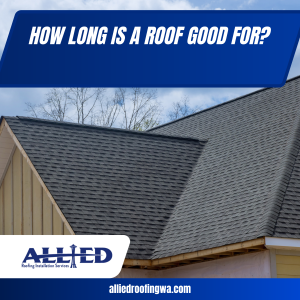
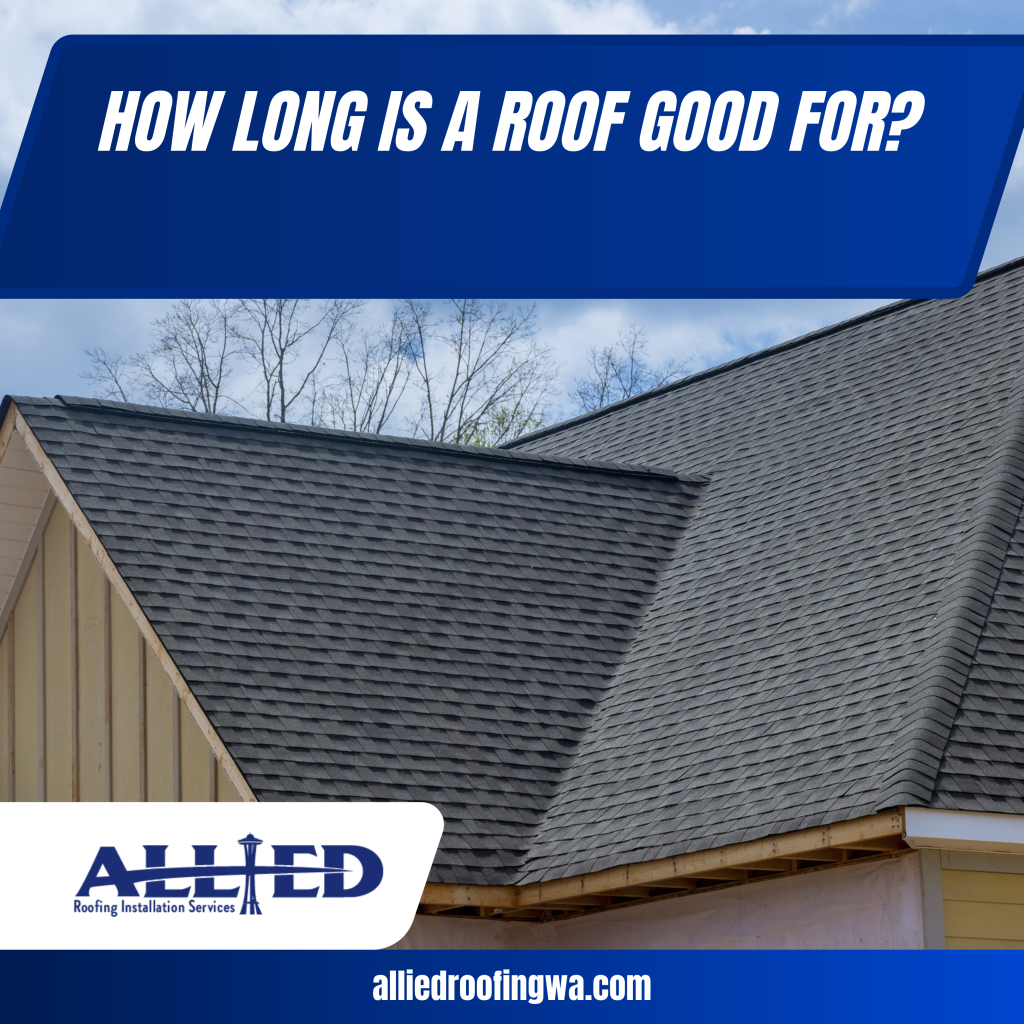
Basic asphalt shingles generally have a shorter expected lifespan than higher-quality products. Architectural shingles, for example, use dimensional construction that can provide enhanced durability and visual appeal. Some rated shingles may also be designed to withstand specific weather conditions.
However, the material itself is not the only factor. Proper installation, attic ventilation, regular inspections, and prompt attention to damage all influence how long a shingle roof remains dependable.
When homeowners ask how long a roof lasts, it helps to consider both the shingle type and the condition of the entire roofing system. Allied Roofing can help homeowners compare roofing options and understand what may work best for their home.
Metal Roofing Can Last for Decades
For homeowners looking for longevity, metal roofing is another option worth considering. A properly installed metal roof can last for decades and may withstand many of the everyday challenges that affect other roofing materials.
Metal roofing comes in various styles and finishes, allowing it to complement both traditional and modern homes. Homeowners can also choose it for remodeling projects when they want to update their property’s appearance while considering long-term performance.
Although metal roofing can cost more upfront than some asphalt shingle options, homeowners should also consider expected service life and maintenance requirements. Looking only at the upfront price does not always show the full picture of the investment.
Allied Roofing can discuss the differences between metal roofing and shingle systems so homeowners can consider the advantages, limitations, and long-term expectations of each option.
What Affects Your Roof Lifespan?
Several conditions can influence how long a roof remains in good shape. Two homes may have similar roofing materials but experience very different results because of differences in climate, installation, ventilation, and maintenance.
Weather is one of the most important influences. Strong winds, heavy rain, hail, snow, and prolonged sunlight can gradually affect roofing materials. Moisture can be particularly concerning because water that enters beneath roofing materials may damage decking, insulation, or other parts of the home.
Installation quality is equally important. Even high-quality shingles or metal roofing may not perform as intended if the system is installed incorrectly.
Regular maintenance can also make a difference. Addressing minor concerns early may help prevent them from developing into larger roofing problems.
Signs Your Roof May Need Attention
A roof does not necessarily need replacement simply because it has reached a certain number of years. Visible condition can provide important clues about whether the system is still performing properly.
Homeowners should watch for signs of deterioration. These may appear gradually, making routine inspections especially valuable as the roof ages.
Common warning signs include:
- Missing, cracked, curling, or damaged shingles
- Water stains on ceilings or walls
- Excessive granule accumulation around gutters
- Damaged or deteriorating flashing
- Visible sagging areas
- Recurring leaks after repairs
- Significant moss or moisture-related deterioration
- A roof approaching the end of its expected service life
A small issue does not always mean a complete replacement is necessary. However, multiple warning signs can indicate that the existing roof requires a more detailed professional evaluation.
Allied Roofing can help homeowners identify visible concerns and determine whether repairs are suitable or whether to consider replacement.
Sagging and Other Serious Roof Problems
Homeowners should never ignore sagging. A sag can indicate a problem involving the roof structure, decking, moisture intrusion, or other components beneath the visible roofing materials.
Unlike a minor cosmetic concern, significant sagging can require prompt professional attention. Unresolved water damage may weaken structural materials over time, potentially affecting the safety and function of the roofing system.
Homeowners should avoid attempting to correct structural roofing concerns themselves. A professional assessment can identify the cause of the sag and what work may be needed.
If you notice sagging, recurring water intrusion, or other serious damage, Allied Roofing can evaluate the roofing system and explain the appropriate next steps.
Roof Cost and Planning for Replacement
Roof replacement is a major home improvement expense, so understanding potential costs in advance can make planning easier. The final roof cost depends on factors such as roof size, material selection, labor, accessibility, existing damage, removal requirements, and the roofing system’s complexity.
For example, replacing an asphalt shingle roof may cost more or less than installing a metal roof. Architectural shingles and other premium materials can also affect the overall investment.
The condition of the original roof also matters. If you find extensive damage beneath the visible shingles, you may need additional work before installing new roofing materials.
Rather than focusing only on the lowest initial price, homeowners should consider durability, installation quality, maintenance requirements, and expected service life when planning roofing work.
Allied Roofing can help homeowners understand the factors that contribute to roofing costs and develop a solution suited to the property’s needs and budget.
When Is Roof Replacement the Right Choice?
Repairs can be an effective option when damage is limited, and the rest of the roofing system remains in good condition. However, an aging roof with widespread deterioration may eventually require replacement.
Repeated repairs can become less practical when problems continue appearing across the roof. In these situations, investing in a new roofing system may provide a more comprehensive solution.
The decision should consider the roof’s age, condition, material, repair history, and the homeowner’s long-term plans. If you are planning remodeling work or preparing to stay in your home for many more years, replacing an aging roof may also be an opportunity to consider updated materials and improved roofing features.
Allied Roofing can inspect your existing system and help you understand the difference between localized repairs and a broader roof replacement project.
Extending the Life of Your Roof
Once you understand how long a roof is good for, the next question is how to get the most from its expected service life. Routine care can help identify problems early and keep the roofing system functioning properly.
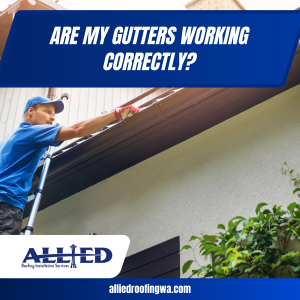
Keeping gutters clear can help direct water away from the roof and foundation. Homeowners should also evaluate attic ventilation because excessive heat and moisture can affect roofing materials and the underlying structure.
After major storms, homeowners should look for visible damage and consider scheduling an inspection if anything appears unusual. Prompt attention to damaged shingles, flashing, or areas where water may enter can help prevent a small concern from becoming a larger repair.
A roof isn’t permanent, but it also shouldn’t be neglected. With appropriate care and professional attention, homeowners can make informed decisions about repairs and eventual replacement.
Contact Us
A dependable roof begins with knowing what your home needs today and planning for what it may need tomorrow. Whether you have an aging shingle roof, are considering metal roofing, or notice signs of damage, Allied Roofing can help you understand your options.
Contact Allied Roofing today to discuss your roofing needs and take a confident step toward protecting your home for years to come.