What Is a Gable Roof?
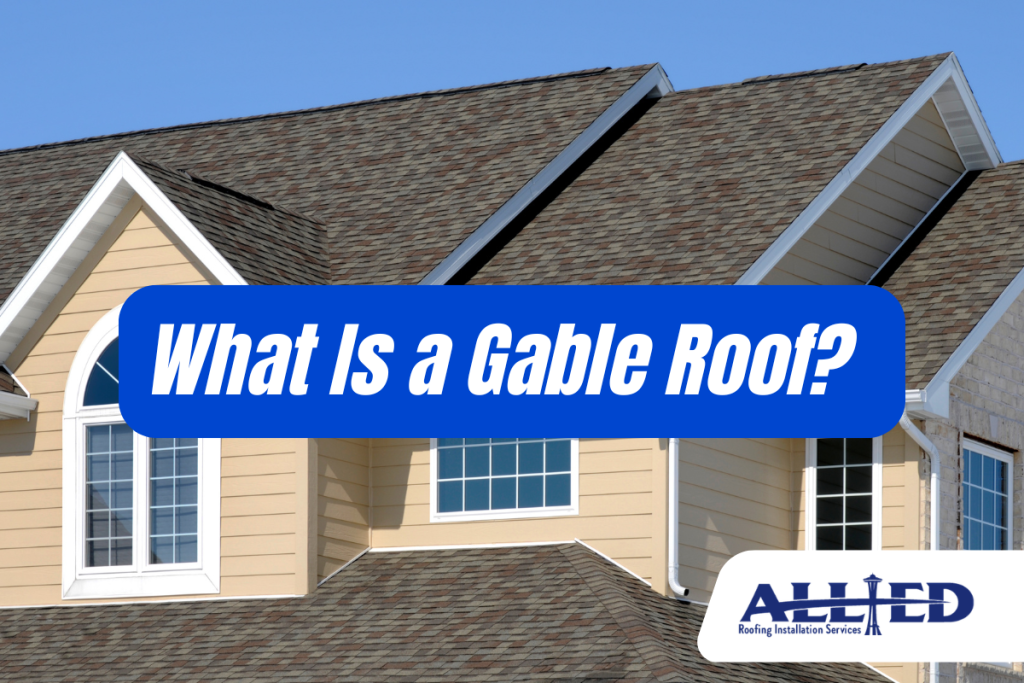
If you have ever pictured a simple house with a peak at the top, you have likely pictured a gable roof. So, what is a gable roof? It is a roof style with two sloping sides that form a peak, creating a triangle at each end of the structure. This familiar shape is popular because it is practical, attractive, and adaptable to many homes.
A gable roof is one of the most recognizable and practical roofing styles, offering excellent water drainage, attic ventilation, and long term durability for many homes. Allied Roofing helps homeowners determine whether a gable roof is the right fit for their property and climate.
Why the Gable Roof Remains a Classic Style
The gable roof has stayed popular for generations because it offers a clean look and reliable performance. The basic design has two peaked sides that meet along a ridge line, allowing rain and snow to move off the roof more easily than on flatter designs. This can help protect the building from moisture related issues when the roof is installed and maintained properly.
From its classic triangular design to its cost effective construction, a gable roof offers several advantages for homeowners looking for both style and function. Allied Roofing can help you maximize these benefits with professional roofing solutions.
Gable roof designs are often chosen because they work well with many home styles. Whether your house has a traditional look, a modern profile, or an addition over a garage, a gable design can often be customized to suit the structure.
Common Gable Roof Styles
While the overall concept is simple, there are several ways to design a gable roof. An open gable shows the triangular wall section at each end. A box gable has the end of the roof enclosed, creating a more finished appearance. A front gable faces the street and is often used to highlight an entryway. A crossed gable combines two gable roofs at an angle, which is common on larger homes with more complex layouts.
You may also hear terms such as pitched gable, reverse gable, or pitched roof when discussing design options. These terms describe how the roof is positioned, how steep the roof pitch is, and how the gable sections relate to the rest of the home. The right choice depends on your house layout, local weather, attic needs, and overall design goals.
Allied Roofing can review these options with you and explain which gable roof style may offer the best balance of appearance, performance, and value.
How a Gable Roof Performs in Weather
One of the biggest strengths of a gable roof is drainage. Because of its sloped shape, water can move away from the roof surface efficiently. This helps reduce the chance of standing water, which can shorten the life of roofing materials. In areas that receive rain or snow, this is an important advantage.
Whether you are comparing different roof styles or replacing an aging roof, knowing how a gable roof performs in various weather conditions is an important first step. Allied Roofing has the experience to recommend the ideal roofing system for your home needs.
That said, every roof must be designed for the local climate. A very steep gable can shed water quickly, while a lower pitch may require careful material selection and expert installation. In high wind areas, the gables and edges must be properly built and secured. This is where professional roofing knowledge matters. Allied Roofing evaluates the structure, materials, ventilation, and installation details before recommending a solution.
Gable Roof Ventilation and Materials
A gable roof can support good attic airflow when it is paired with the right ventilation plan. Gable vents may help air move through the attic, but they must be sized and placed correctly. Proper ventilation can reduce heat buildup, manage moisture, and support better roof performance over time.
Understanding what a gable roof is can make it easier to choose the best roofing system for your home, especially if you are planning a replacement or new construction. Allied Roofing provides expert guidance and quality installation to ensure lasting performance.
The materials used on gable roofs vary depending on budget, style, and performance needs. Asphalt shingles are common, but other roofing materials may also be suitable. The best materials for your roof will depend on the slope, climate, architectural style, and long term maintenance goals. Allied Roofing helps homeowners compare materials so they can make informed decisions without feeling overwhelmed.
Gable Roof Compared With Other Roofs
When comparing roofs, many homeowners ask how a gable roof differs from a hip roof. A hip roof slopes on all sides, while a gable roof has two main sloped sides and vertical ends. Hip roof designs can offer different wind performance and a distinct appearance, but gable roofs are often simpler to build, easier to ventilate, and more familiar in many neighborhoods.
Different roofs serve different needs. Some roofs are best for complex layouts, while other roofs are chosen for straightforward function. Gable roofs remain popular because they offer a strong mix of affordability, curb appeal, and dependable drainage.
Is a Gable Roof Right for Your Home?
A well built gable roof can improve curb appeal, protect your home from the elements, and increase property value when installed correctly. Allied Roofing delivers expert craftsmanship and dependable service to help homeowners get the most from their investment.
If your current roof is aging, leaking, or showing signs of wear, Allied Roofing can inspect it and explain your options. The team can help determine whether a gable roof, another roof style, or a targeted repair is the right next step.
Choosing a roof is not just about appearance. It is about protecting your house, improving comfort, and investing in long term performance. With expert installation and quality roofing service from Allied Roofing, your gable roof can deliver lasting value and dependable protection.